What Causes Light Sensitivity and When Should You Be Concerned?
Sometimes bright sunlight, headlights, or even indoor lighting can be too uncomfortable. Photophobia, or light sensitivity, may be a temporary or long-lasting condition, depending on the cause. People experiencing frequent discomfort may search for an eye doctor near me, especially when ordinary lighting begins interfering with work, driving, reading, or daily activities.
Sensitivity may not be a serious issue, but when it is persistent or sudden, it is worth noting. Knowing the typical reasons and being aware of the warning signs can assist you in knowing when professional assessment might be required.
What Is Light Sensitivity?
Light sensitivity is a condition in which exposure to light causes discomfort, pain, squinting or a desire to avoid bright surroundings. It may impact one or both eyes and can differ significantly between people.
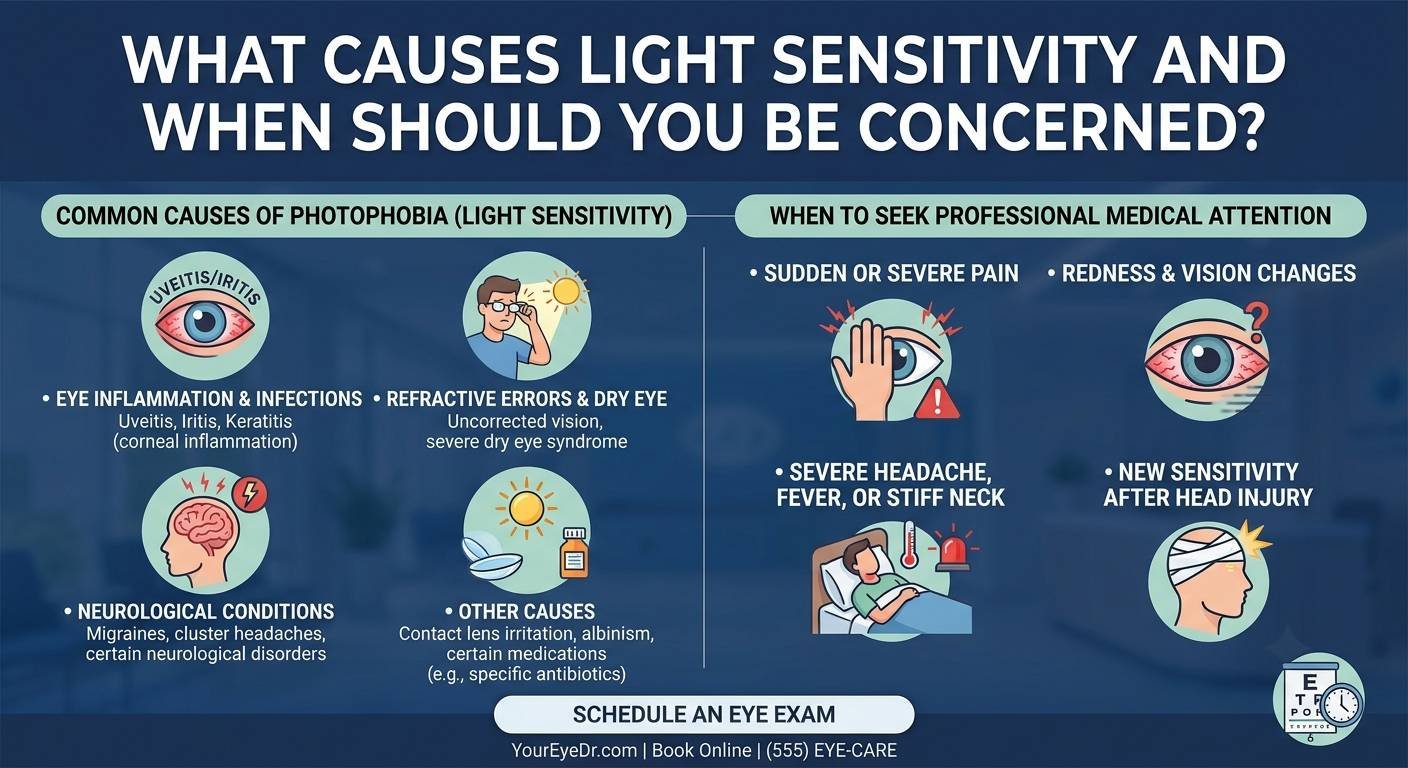
Photophobia is not a disease in itself. Rather, it may be a symptom of various eye disorders, neurological conditions, drugs, or the environment. When the symptoms persist, it is thus important to identify the underlying cause.
Dry Eyes Can Increase Sensitivity
One of the reasons why people are more sensitive to light is the dry eye. When the eye’s surface does not remain adequately lubricated, it can become irritated and more reactive to bright environments.
Dryness can be caused by screen use, decreased blinking, air conditioning, some medications, and environmental factors. The underlying dryness can be treated to alleviate discomfort and enhance overall eye comfort.
Migraines Can Cause Photophobia
Migraine is often accompanied by light sensitivity. Some people become uncomfortable around bright lights before, during, or after a headache, while others may experience light sensitivity without significant head pain.
Symptoms can be worsened by flashing lights, intense sunlight, and extended screen time. Monitoring the time of sensitivity can assist in determining patterns and give valuable information during a medical assessment.
Eye Inflammation May Be Responsible
Light sensitivity can be severe in case of inflammation of structures in the eye. Diseases like uveitis can cause pain, redness, blurred vision or pain in the presence of light.
Inflammation needs proper medical assessment since in some cases, untreated eye conditions may impair vision. In case of light sensitivity and eye pain or observable redness, it is especially important to consult a professional as soon as possible.
Contact Lenses Can Sometimes Contribute
Sometimes contact lenses may result in irritation making bright environments uncomfortable. Unclean lenses, excessive length of wearing lenses or incorrect type of lens can also add to the discomfort.
Chronic symptoms cannot be treated by merely limiting exposure to light. Taking off contact lenses and consulting a professional can assist in identifying the cause of the lenses or a pre-existing eye condition.
Certain Medications May Increase Sensitivity
Certain drugs may cause individuals to be sensitive to sunlight or bright conditions. This effect can happen due to the fact that some medicines can affect the way the eyes or nervous system react to light.
When sensitivity develops after taking a new medication, talk to your healthcare professional about the symptom instead of self-discontinuing prescribed treatment. It is possible to review medications to determine whether they are contributing to the problem.
When Should You Seek Professional Help?
Sensitivity that comes and goes may not be a cause of concern. Nevertheless, chronic or progressive symptoms are to be considered, especially when they disrupt normal functioning.
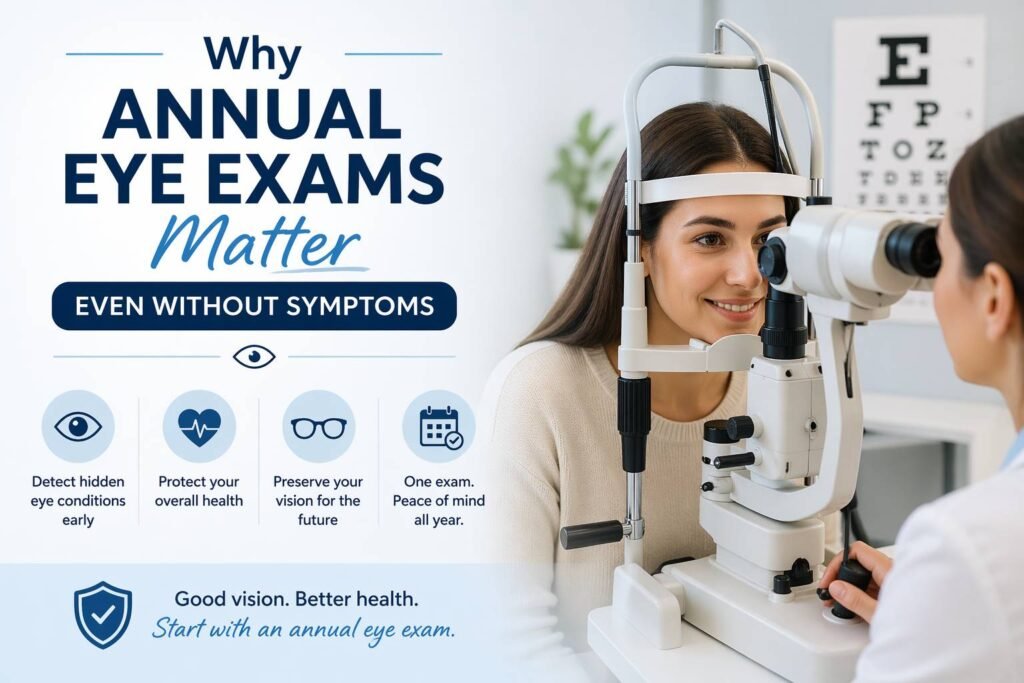
If you are searching for an eye doctor nearme because light sensitivity has become frequent, an eye examination can help identify potential causes. Professional evaluation is particularly useful in cases where the symptoms persist even with sufficient rest and environmental modifications.
Warning Signs You Should Not Ignore
Sudden loss of vision, intense eye pain, intense redness, flashing lights, or a sudden increase in floaters are indicators of light sensitivity, which should be treated urgently. Such symptoms can be signs of conditions that require immediate consideration.
There may also be sudden photophobia in conjunction with some neurological issues. In case of rapid development of sensitivity or severe headache, confusion, weakness, or other abnormal symptoms, urgent medical examination is significant.
Protecting Your Eyes from Bright Light
When sensitivity is mild, simple measures can make everyday life more comfortable. Discomfort can be reduced by wearing good sunglasses when outside, minimising screen glare, controlling indoor lighting and taking frequent breaks.
Eye comfort can also be supported by avoiding unnecessary eye rubbing and good eye hygiene. Nevertheless, these measures are to be used as a supplement to professional care and not as an alternative in case of persistent or severe symptoms.
Conclusion
Light sensitivity may be caused by fairly common conditions like dry eyes and migraines, but it can also be an indicator of inflammation or some other underlying condition. It can be helpful to note when symptoms occur and whether they coincide with other changes to determine when additional assessment is necessary.
When you are looking for an eye doctor near me because of constant pain, it is reasonable to schedule a full eye check-up. Early diagnosis can determine possible causes, prescribe proper treatment, and assist in preserving your vision and overall eye health.
Ready for clearer vision? Book your appointment today with our expert eye care team!