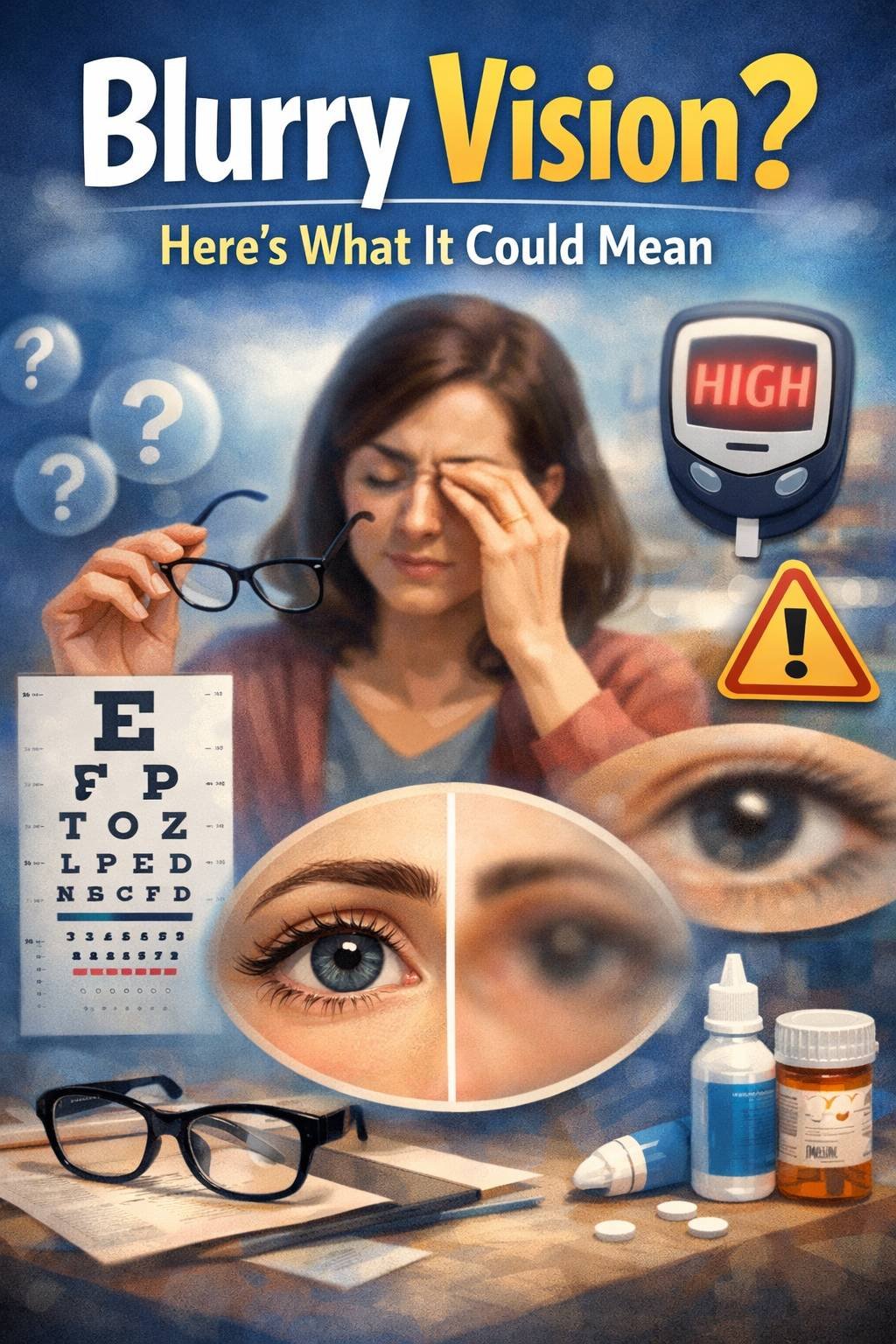
Blurred vision is a usual symptom that most individuals experience at some time. It can be temporary, caused by fatigue or screen strain, but chronic blurred vision can be an indicator of an underlying eye or health issue. Neglecting such indicators may postpone the correct treatment and cause more severe complications. If your vision frequently appears unclear, consulting an eye doctor near me can help identify the root cause early and protect your eye health.
Refractive Errors: The Most Common Cause
Refractive error is one of the major causes of blurred vision. Nearsightedness, farsightedness and astigmatism are conditions that influence the way in which light is focused on the retina. This causes blurred vision at some distances.
Prescription glasses, contact lenses, or laser surgeries are the common solutions to these problems. Frequent eye checks will keep your prescription up to date and your vision clear.
Digital Eye Strain
In the digital age, the most common reason for temporary blurred vision is extended screen time. Computer screens, smartphones, and tablets demand constant attention of the eyes, which in many cases can be dry, tired, and less clear.
It can be done with the help of the 20-20-20 rule: after 20 minutes, look at something 20 feet away, 20 seconds. Strain can also be minimized by adjusting the brightness of the screen. If symptoms persist, seeking advice from an eye doctor near me ensures there are no deeper issues.
Dry Eye Syndrome
Dry eyes are caused by the lack of tears or the rapid evaporation of tears. This leads to irritation, redness and intermittent blurry vision.
The treatment is usually accompanied by lubricating eye drops, changes in lifestyle, and in some cases, prescription drugs. Early management averts pain and safeguards the surface of the eye
Eye Infections or Allergies
Inflammation, which causes temporary blurred vision, can be caused by conjunctivitis (pink eye), allergies, or other infections. The symptoms can be redness, itch, discharge, or swelling.
Diagnosis should be done well since treatment varies when it is bacterial, viral or allergic. Do not self-medicate and seek the help of an eye specialist when the symptoms do not go away.
Cataracts
Cataracts are caused by the clouding of the natural lens of the eye resulting in a gradual blurring of vision. The condition is usually acquired as one grows older but can also be caused by injury, diabetes, or excessive exposure to the sun.
Initial stages are treatable by new prescriptions, whereas severe cataracts might need surgery. In most cases, cataract surgery is very effective and it may help one to have a clear vision once again.
Glaucoma
Glaucoma is a severe disease that is triggered by elevated eye pressure and damages the optic nerve. It usually does not have any symptoms, but as the disease develops, blurred vision may emerge.
Frequent eye pressure monitoring is critical to early diagnosis. Early intervention prevents permanent blindness.
Diabetes and Vision Changes
Sometimes, blurred vision is a sign of underlying systemic health issues like diabetes. The elevated blood sugar levels impact the lens of the eye and blood vessels resulting in the temporary or permanent changes in the vision.
In case of unexplainable blurred vision and increased thirst, fatigue, or frequent urination, medical examination is advised. Controlling blood sugar level prevents eye and general health.
Migraines and Neurological Causes
Temporary visual impairment can be experienced by migraines, such as blurred vision, flashing lights, or blind spots. Visual clarity may also be affected by neurological conditions.
For blurred vision, accompanied by severe headaches, dizziness, or difficulties with coordination, timely medical attention is significant.
When to Seek Professional Help
In some cases, blurred vision is not a big issue, but when it is persistent or progressive, then it cannot be ignored. Sharp vision loss, severe pain, or light glare should be treated. Seeing an eye doctor near me would mean timely diagnosis and proper treatment to avoid complications.
Conclusion
Blurred vision may be caused by simple problems such as eye strain or more severe problems such as cataracts, glaucoma, or diabetes. Early detection of the cause will assist in avoiding the long-term complications and maintain the vision of the eyes. Consistent eye checkups, proper lifestyle and early professional consultation are critical in ensuring that vision is clear. In case of any symptoms, it is always better to consult a specialist in eye care to be sure that your eye health is taken care of.
Ready for clearer vision? Book your appointment today with our expert eye care team!