Many people search for an eye doctor near me only when they experience blurry vision or noticeable eye discomfort. Nevertheless, vision care is surrounded by myths which usually make people not take the necessary steps to save their eyesight. These myths may result in a late diagnosis, poor eye-care practices, and unwarranted worry about eye health.
The reality is that most beliefs that have been made regarding vision are either overstated or false. Being informed can assist you in making informed choices and preserve healthy vision in the years to come.
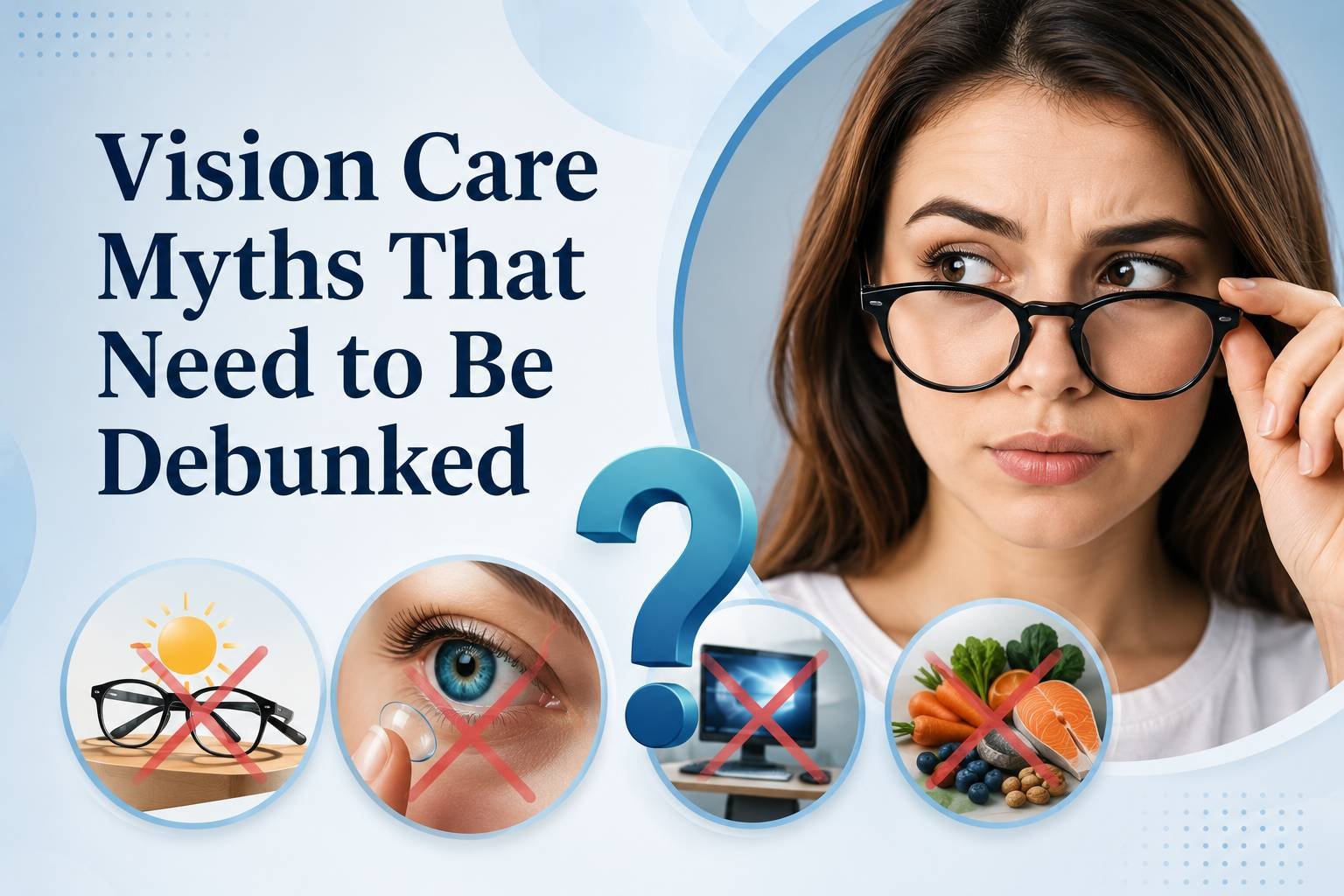
Myth 1: Wearing Glasses Makes Your Eyes Weaker
There is a popular notion that when prescription glasses are used, the eyes become reliant on them. Some even avoid getting glasses because they believe that their vision will deteriorate as they age. This concern often leads individuals to search for an eye doctor near me when their vision becomes too blurry to ignore.
As a matter of fact, glasses do not make your eyes weak. They merely correct refractive errors and assist you to see clearly. Optical alterations are typically age-related, familial, or caused by eye conditions instead of wearing corrective lenses.
Myth 2: You Only Need an Eye Exam When You Notice a Problem
Nevertheless, most eye diseases have no apparent symptoms during their initial stages. Diseases like glaucoma and diabetic retinopathy may have a silent progression. Regular visits to an eye doctor near me can help detect these issues before they cause significant vision loss.
Myth 3: Reading in Dim Light Permanently Damages Vision
Parents have been telling children against reading in dark environments. Although reading under low light causes the eyes to strain more, it does not cause long-term harm to vision.
With that said, inadequate lighting may cause temporary eye strain, fatigue, and headaches. Proper lighting when reading may enhance comfort and eliminate the unwarranted eye strain.
Myth 4: Carrots Can Completely Prevent Vision Problems
Carrots have been touted as a wonder food in terms of eye health. Since they are rich in vitamin A, most individuals believe that by eating carrots in large quantities, they will avoid any issues related to their vision. Some individuals even consult an eye doctor near me expecting dietary changes alone to solve their eye concerns.
Although vitamin A is necessary to maintain healthy vision, carrots are not the only ingredient of a balanced diet. Leafy greens, fruits, fish, nuts and other healthy foods are also good sources of nutrients that contribute to good eye health. Regular eye examinations remain equally important.
Myth 5: Children Don't Need Regular Eye Exams
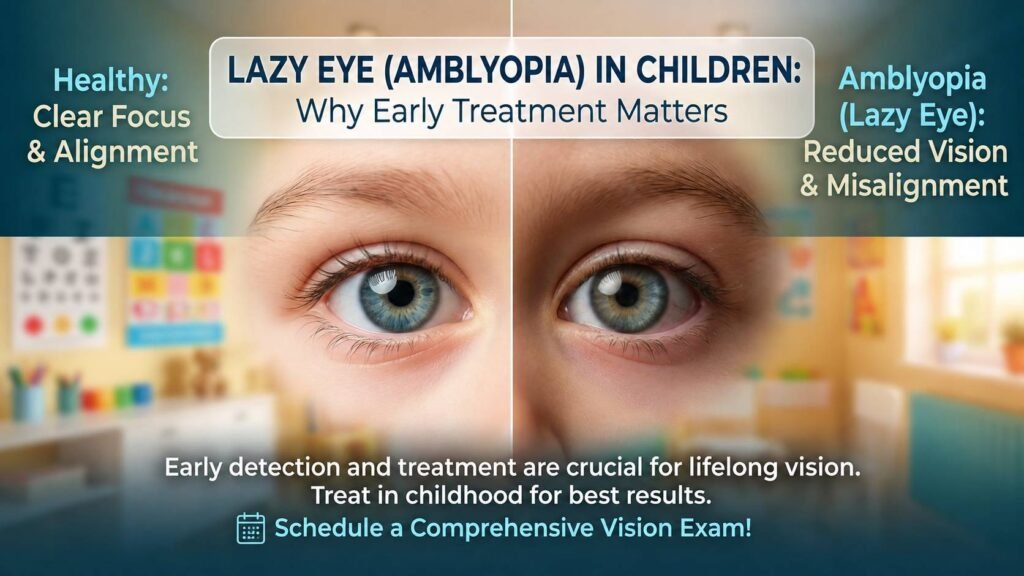
Some parents believe that in case a child does not complain of any eye issues, then he or she must have an excellent vision. Regrettably, children are not always aware that they have a vision problem as they do not have something to compare it with.
Eye checkups can detect nearsightedness, farsightedness and lazy eye at an early age. Early diagnosis enables prompt treatment and promotes healthy eye growth.
Myth 6: Screen Time Permanently Damages Eyes
With smartphones, tablets, and computers becoming a part of daily life, concerns about screen time have increased significantly. Many people worry that prolonged exposure to screens causes permanent damage to the eyes.
Although too much screen time may cause digital eye strain, dry eyes, headaches and temporary blurred vision, there is no solid evidence that it causes permanent harm to healthy eyes. In case the symptoms are persistent, a visit to an eye doctor near me can be helpful to find out what can be done to alleviate pain and maintain eye health.
Myth 7: Eye Diseases Always Have Noticeable Symptoms
One of the myths is that serious eye diseases are always painful or have noticeable changes in vision. This myth may give a false sense of protection and deter preventive eye care.
As a matter of fact, a number of conditions such as glaucoma and diabetic eye disease may silently develop over years. Regular eye check-ups are among the best methods of detecting issues before they escalate.
Conclusion
When many people are searching for an eye doctor near me, they are amazed to know that some of the things that they have always thought about are myths. The myths related to glasses, eye check-ups, nutrition, screen time, and eye diseases may contribute to the way individuals take care of their vision and the time they visit a specialist. The best way to protect your eyesight is to rely on accurate information and prioritize regular eye care.
Ready for clearer vision? Book your appointment today with our expert eye care team!