Vision is among the most valued senses and yet many individuals overlook the early symptoms of eye illnesses till they disrupt normal living. Optical experts employ sophisticated diagnostic methods and clinical knowledge to diagnose vision disorders at the earliest stage and prescribe effective medications.
Symptoms like blurred vision, headache, or eye strain should not be ignored. A lot of people start their search with terms such as eye doctor near me when they want to identify skilled specialists that can examine their state and offer the necessary treatment.
Understanding Patient Medical History
Visiting an eye doctor near me usually begins with discussing medical history, symptoms, and lifestyle habits. Eye experts ask about medication, underlying health conditions, and family history related to vision disorders.
Doctors can use this information to comprehend potential causes of eye issues and determine the types of diagnostic tests that are required. An in-depth examination is significant for developing a precise treatment strategy.
Visual Acuity Testing
Visual acuity test is used to determine the clarity of the vision of an individual at various distances. In this test, the patient reads letters in an eye chart as each eye is tested individually to determine issues with vision clarity.
This test helps in diagnosis of refractive errors like nearsightedness, farsightedness and astigmatism. The results are used by eye specialists to prescribe appropriate corrective lenses and customized treatment plans by an eye doctor near me.
Refraction Assessment for Corrective Lenses
Refraction testing helps determine the exact prescription needed for eyeglasses or contact lenses. Eye doctors compare the different strengths of lenses using a phoropter and determine which one gives them the best and most comfortable vision.
This test is particularly appropriate for the people who have trouble in reading, night driving, or spending most of their time in front of digital screens. Proper prescriptions enhance day-to-day comfort by making a visit to an eye doctor near me.
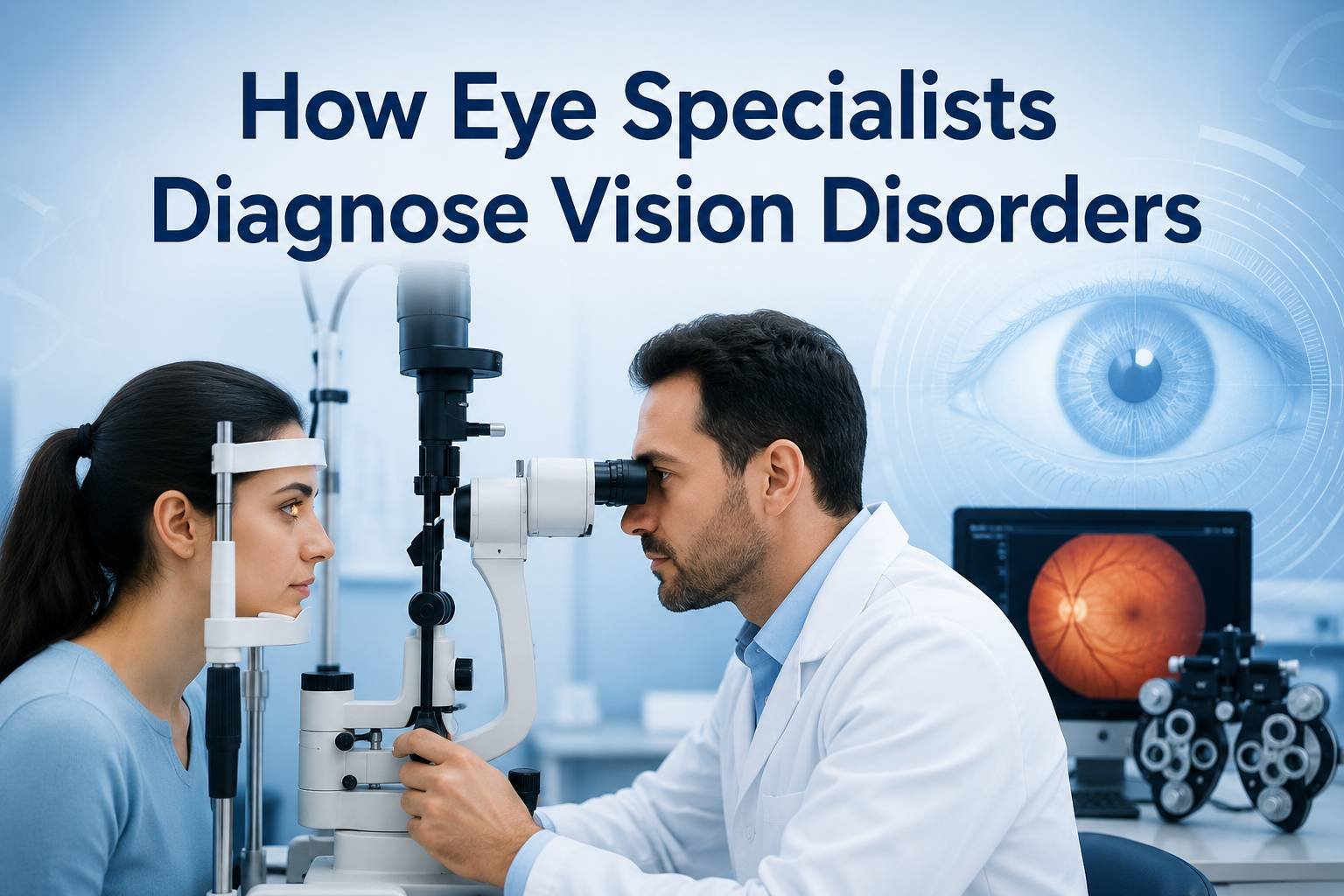
Slit-Lamp Examination
Slit-lamp examinations are also used by eye specialists to examine the front structures of the eye. This is a special microscope that gives a close-up image of cornea, iris, lenses and tissues around the eyes.
A slit-lamp examination can help in diagnosing various eye diseases such as cataracts, corneal trauma, dry eye syndrome, and infections. Most eye diseases are slow as well as have no clear symptoms and therefore, eye checkups are necessary to detect and treat them early.
Tonometry and Glaucoma Detection
Scheduling an appointment with an eye doctor near me is important for routine glaucoma screening and pressure testing. Tonometry is a measurement of intraocular pressure which may be an indicator of glaucoma if the levels are abnormally high.
Glaucoma is a disease that frequently does not show any symptoms in the initial phases. Early diagnosis and regular eye check-ups are needed to avoid long term vision loss and optic nerve damage.
Retinal Examination and Advanced Imaging
Eye tests enable the eye specialists to assess the wellbeing of the retina and optic nerve located at the back of the eye. In this process, pupils are dilated with eye drops to give a better view of the internal eye structures.
Technologies like Optical Coherence Tomography (OCT) generate very precise images of the retinal layers. These devices are useful in the diagnosis of severe diseases such as diabetic retinopathy, macular degeneration, and retinal detachment with incredible accuracy.
Diagnosing Vision Disorders in Children
Unattended vision disorders may influence learning, reading comprehension and general growth in children, thus they need special eye tests. During a thorough assessment, pediatric eye specialists test eye coordination, focusing ability and depth perception.
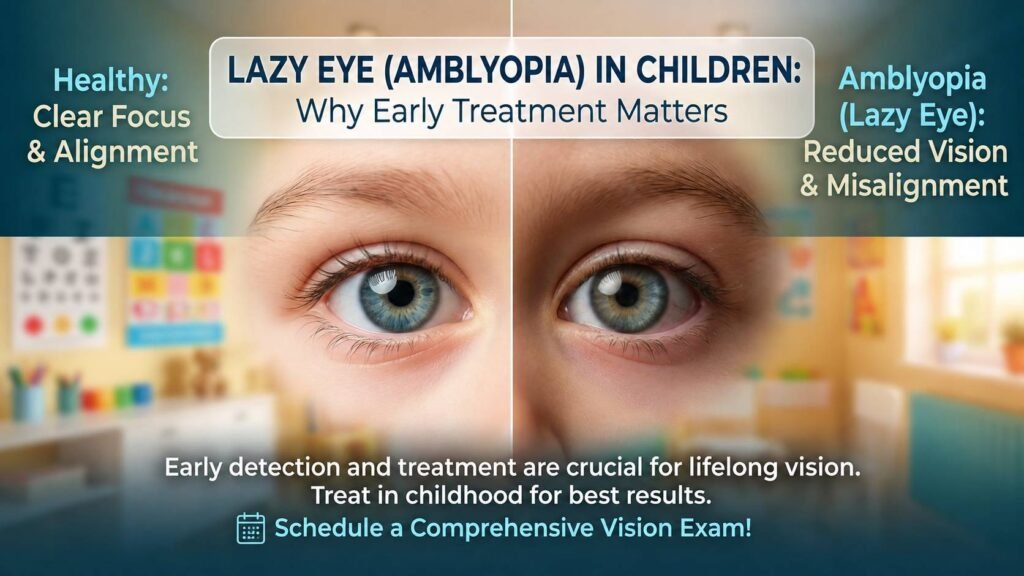
Early detection of disorders like lazy eye and crossed eye enhances the success of treatment and elimination of visual complications in the long run. An eye doctor near me is frequently consulted by parents in need of professional pediatric care.
Importance of Routine Eye Exams
Regular eye check-ups play a critical role in identifying eye diseases and vision issues in their early stages. Various diseases such as glaucoma and retinal diseases are slow to develop, and may not have apparent signs in their initial stages.
Regular examinations can be used to track vision changes, provide updates on prescriptions, and detect any underlying health issues that could impact the well-being of the eyes. Preventive eye care is significant in ensuring good vision and minimizing long-term complications.
Conclusion
To identify the vision disorders early and keep eyes healthy over time, it is crucial to select an eye doctor near me to receive regular eye check-ups. The eye specialists apply sophisticated diagnostic equipment, elaborate tests to detect issues and prescribe proper treatments. Early diagnosis, preventative care, and regular checkups are potentially useful in preserving vision, enhancing the quality of vision and lower future chances of severe eye complications.
Ready for clearer vision? Book your appointment today with our expert eye care team!