10 Signs You Should Visit an Eye Specialist Soon

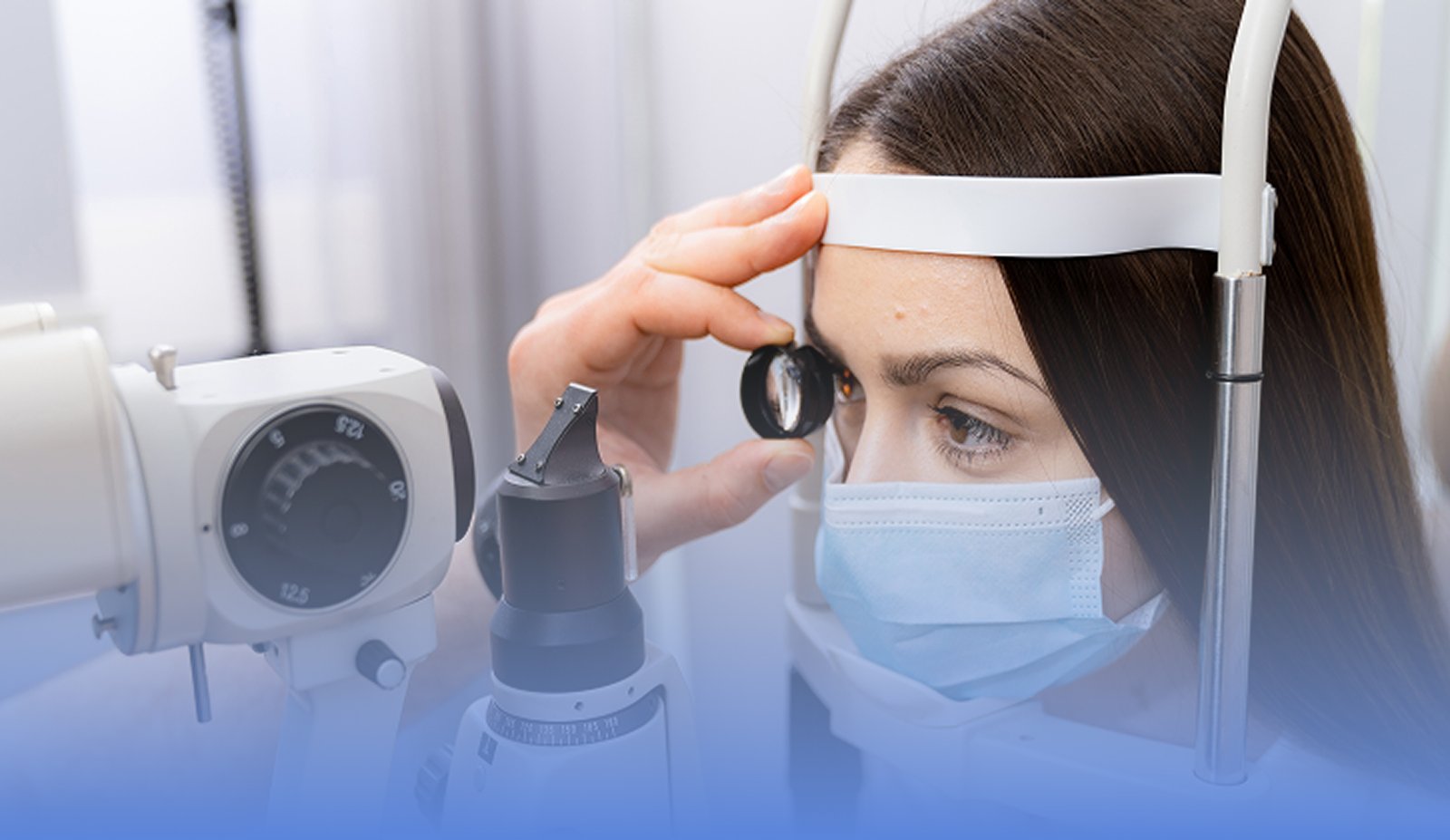
One of the most significant organs in your body is your eyes and early signs of vision issues are disregarded by many people. Frequent eye checkups will allow identifying the problems in time and avoiding long term complications. When you observe that your sight, comfort, or eye health has changed, then it is time to visit an eye specialist. Searching for an eye doctor near me can help you find a qualified professional who can diagnose the issue and recommend the right treatment. The following are ten symptoms that suggest you should visit a doctor in the near future.

Sign #1: Frequent Headaches

Reoccurring headaches, particularly in the forehead or eye region are usually an indication of a vision issue. The untreated refractive lenses such as farsightedness, nearsightedness, or astigmatism may put pressure on your eyes and make them uncomfortable. When you experience more headaches when reading, using a screen, or performing some detailed work, it is advisable to have your eyes checked. Visiting an eye doctor near me ensures early detection of vision issues that may be contributing to chronic headaches.
Sign #2: Blurry or Distorted Vision

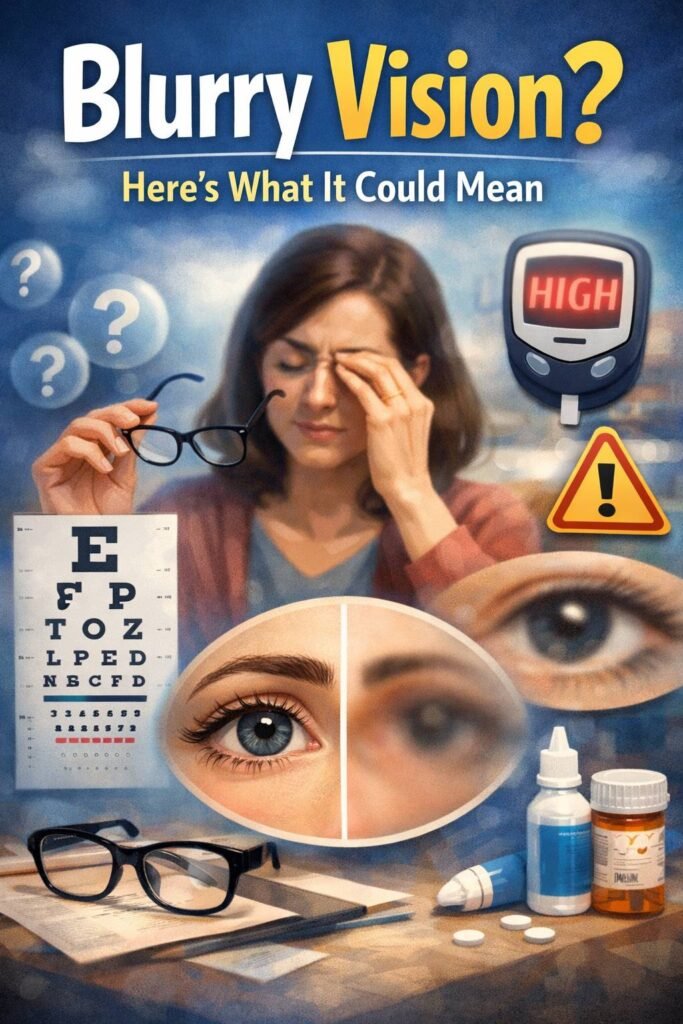
Blurred vision may either occur rapidly or slowly. You might not be able to see objects at a distance, read a text or identify faces. Altered vision, e.g. perceiving wavy or irregular lines may be a sign of more severe disorders as macular degeneration or retinal problems. These are symptoms that should not be disregarded. An accurate eye test can diagnose the cause and bring back clarity.

Sign #3: Eye Pain or Discomfort

The presence of sharp pains, burning, soreness, or pressure behind the eyes can indicate infections, inflammation, dry eyes or even glaucoma. Pain in the eye that takes longer than a few hours is to be treated as soon as possible. The treatment may be complicated by the delay. Consulting an eye doctor near me helps you understand the underlying reason and get appropriate care before the condition worsens.

Sign #4: Difficulty Seeing at Night

The issues with night vision may make driving, walking in the dark, or adapting to the darkness hard. This can be a sign of a lack of some nutrients, premature cataracts, or other eye related disorders that deal with low light vision. Poor night vision may also be hazardous when driving and that is why it should be taken care of early by a professional eye checkup.

Sign #5: Sensitivity to Light

When it is hard to focus on objects due to bright light, sunlight, or even indoor lighting, which makes you squint or causes pain, it may indicate a problem with your cornea, iris, or the health of your eyes in general. Light sensitivity can also be increased because of infection, inflammation, migraine or poor use of lenses. Only an eye specialist can identify the exact cause and prescribe safe solutions.

Sign #6: Red or Irritated Eyes

Allergies, dryness, excessive screen time, or infections such as conjunctivitis can lead to redness, itchiness, or irritation. Although mild irritation may go away by itself, the redness that persists may be a sign of more severe problems. Do not rub your eyes, this may make the situation worse. Professional assessment will assist in eliminating additional harm and offer appropriate treatment.

Sign #7: Sudden Flashes or Floaters

Retinal problems could be indicated by seeing flashes of light, dark spots or floating shapes in your vision. The floaters may be harmless, but when they suddenly increase, immediate action must be taken. Such symptoms may be the initial signs of retinal detachment, which requires urgent treatment. In case of such changes, it is necessary to find an eye doctor near me and make an appointment as soon as possible.

Sign #8: Trouble Focusing on Screens

Fertility is a shared responsibility. Male factors contribute to infertility in a significant number of cases. Sperm quality, motility, and DNA health directly impact IVF success. Modern IVF treatments address both partners equally, with diagnostic tests and treatments tailored for each. Blaming only one partner creates emotional stress and ignores the medical reality of fertility.

Sign #9: Double Vision

When your eyes are not functioning well, you may see two things. This can be associated with nerve problems, muscle imbalances or diseases such as diabetes and high blood pressure. The double vision is not normal and must be checked immediately. An eye doctor will undertake examinations to know the cause and prescribe appropriate treatment or corrective steps.

Sign #10: Difficulty Reading or Holding Books Close

When you find yourself holding books, phones, or menus nearer or farther than normal, you might be having presbyopia, farsightedness or some other vision changes. This has become particularly prevalent over the past forty years. Early diagnosis assists in rectifying the problem with reading glasses, bifocal or other lens choices. An eye test guarantees you the appropriate correction to read comfortably.

Conclusion

Your eyes deserve regular care and attention. Ignoring early warning signs can lead to more serious problems that affect your daily life. If you experience any of the symptoms listed above, it is wise to consult an eye doctor near me for a professional evaluation. Prompt diagnosis and treatment can protect your vision, improve comfort, and maintain long term eye health. With the right care, you can enjoy clear and healthy vision for years to come.